How Does the Human Body Regulate Temperature?
The question “How Does the Human Body Regulate Temperature” has a surprisingly practical answer: the brain constantly compares internal heat with a preferred range, then adjusts blood flow, sweating, muscle activity, and behaviour. This finely tuned process is called thermoregulation, and it helps cells keep working even when the surroundings change.
Body temperature is never perfectly fixed, nor does it need to be. It shifts with exercise, sleep, hormones, illness, age, clothing, and the environment. Understanding those changes makes it easier to recognise normal cooling and warming responses, as well as warning signs such as heat illness or hypothermia.
The short answer: the hypothalamus acts as a thermostat
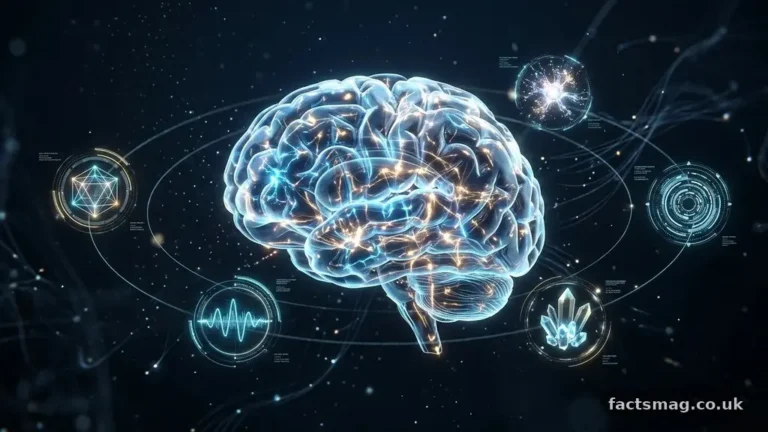
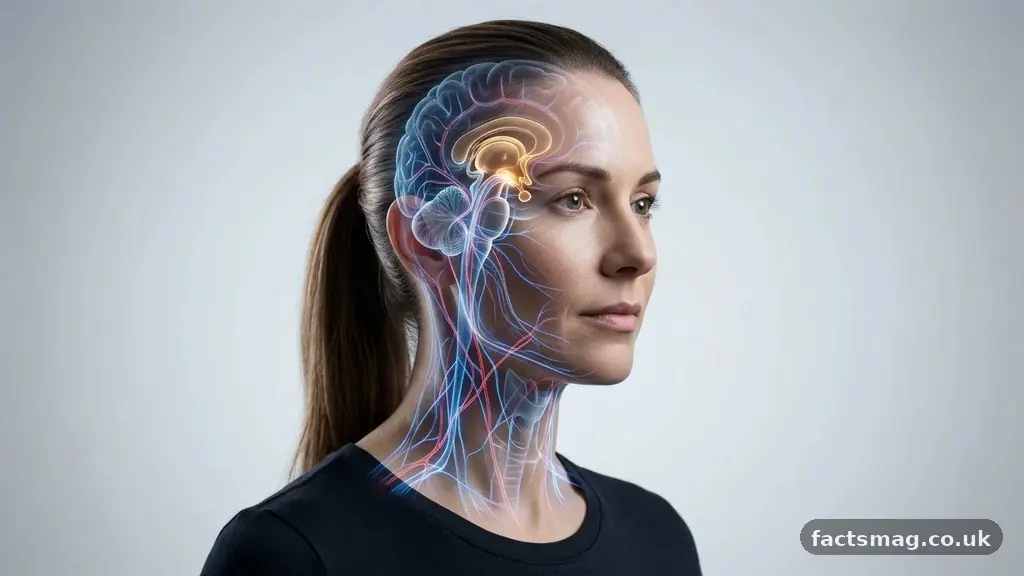
The body regulates temperature mainly through the hypothalamus, a small region at the base of the brain. It receives information from temperature sensors inside the body and in the skin, compares that information with a target range, and coordinates the response needed to restore balance.
Those sensors include thermoreceptors in the skin, spinal cord, deep tissues, and blood vessels. Warm-sensitive and cold-sensitive receptors detect changes, while the temperature of blood reaching the hypothalamus gives the brain an indication of the body’s internal condition.
For many healthy adults, a commonly cited average core temperature is about 37°C (98.6°F), but normal readings vary. Temperature is often lower in the early morning, higher later in the day, and influenced by the measurement site, with rectal and ear readings generally reflecting core temperature more closely than a skin reading.
If the body is too warm, the hypothalamus promotes heat loss by widening skin blood vessels and activating sweat glands. If the body is too cold, it reduces heat loss through vasoconstriction and increases heat production through shivering and other metabolic responses.
This is an example of homeostasis, the body’s effort to keep internal conditions within a workable range. The aim isn’t to hold one exact number every second; it is to prevent temperature from drifting far enough to disrupt enzymes, cell membranes, nerve signals, and organ function.
How the body detects temperature changes
Thermoregulation begins with detection. Thermoreceptors in the skin respond quickly to contact with cold air, hot water, wind, or a warm surface, which allows the nervous system to begin adjusting body temperature before the core has changed very much.
Internal sensors provide a different kind of information. They monitor the temperature of blood and tissues near the body’s core, including areas around the brain and major organs. This matters because skin temperature can change sharply while the internal temperature remains stable.
A cold hand does not necessarily mean the whole body is cold. Skin blood vessels may narrow after exposure to cold, leaving the fingers cool while the body protects the warmer chest and abdomen.
Signals travel through the nervous system
Temperature information travels through sensory nerves to the spinal cord and brain. The hypothalamus then combines those incoming signals with information about blood temperature and the body’s current activity.
The response is not purely automatic. The brain also creates sensations such as feeling hot, cold, thirsty, or uncomfortable, which encourage useful behaviour. Moving into shade, adding a layer of clothing, drinking water, or stopping exercise can reduce the physiological workload.
That behavioural part of thermoregulation is powerful. Humans can change their surroundings much faster by opening a window or removing a coat than by waiting for sweating or shivering to correct the problem.
Temperature is a moving target
Body temperature follows a daily rhythm known as a circadian pattern. It commonly reaches a lower point during sleep and rises later in the day, although the exact pattern differs between people and can be altered by shift work, travel, illness, or disrupted sleep.
Hormones also matter. Menstrual-cycle changes, thyroid activity, stress hormones, and fever-producing immune signals can alter the brain’s temperature settings or change how much heat the body produces.
Because of these influences, a single temperature reading has limited meaning without context. The method used, time of day, recent exercise, clothing, symptoms, and personal baseline all help determine whether a result is ordinary or concerning.
How the body loses excess heat
When core temperature begins to rise, the hypothalamus increases blood flow through vessels near the skin. This response, called vasodilation, brings warmer blood closer to the surface, where heat can move into the surrounding environment.
Vasodilation explains why skin may look flushed during exercise or in a hot room. It also increases the heart’s workload because the cardiovascular system must move blood both to working muscles and toward the skin for cooling.
Sweating supplies another important cooling mechanism. Sweat glands release a watery fluid onto the skin, and the body cools when that fluid changes from liquid to vapour through evaporation.
Evaporation works best in dry air with moving air. In humid conditions, the air already contains substantial water vapour, so sweat evaporates more slowly and may simply drip from the skin without removing as much heat.
Four routes of heat transfer
Heat leaves the body through several physical processes, not just sweat. The balance between them depends on air temperature, humidity, wind, clothing, contact surfaces, and the amount of exposed skin.
- Radiation: the body emits infrared heat toward cooler surrounding objects, even without direct contact.
- Convection: moving air or water carries heat away from the skin; a breeze can increase cooling.
- Conduction: heat moves directly between the body and a touching surface, such as cool water or a warm blanket.
- Evaporation: sweat or moisture on the skin absorbs heat as it turns into water vapour.
These mechanisms can oppose one another. A person standing outside on a hot day may lose some heat through sweating, yet gain additional heat by radiation from hot pavement, walls, or direct sunlight.
Exercise adds another challenge because muscles convert chemical energy into movement and heat. During strenuous activity, the body must send blood to the muscles, the skin, and organs at the same time, while sweating removes water and salts.
How the body conserves and produces heat
Cold exposure triggers vasoconstriction, in which small blood vessels in the skin narrow. Less warm blood reaches the surface, so the body reduces heat loss from the hands, feet, arms, and legs.
The skin may become pale or feel numb during this response. Although vasoconstriction helps preserve core heat, it can reduce dexterity and leave fingers vulnerable to cold injury during prolonged exposure.
Shivering is a rapid series of involuntary muscle contractions. It produces metabolic heat production because muscles consume energy, but it also uses oxygen and fuel, so it cannot continue indefinitely without tiring the person.
Heat production without shivering
The body can produce heat without visible shaking. Hormonal signals can increase the activity of cells and raise metabolic heat production, while muscles may maintain subtle changes in tone that generate warmth.
Infants rely more heavily on non-shivering heat production because they have less ability to shiver effectively. Brown adipose tissue, often called brown fat, contains many mitochondria and can release energy as heat rather than storing all of it as chemical energy.
Adults also possess some brown fat, although its amount and activity vary. Cold acclimatisation can influence how strongly some people use non-shivering responses, but this does not make anyone immune to dangerous cold.
Behaviour protects the core
Cold also motivates behaviour: people curl up, seek shelter, add clothing, move around, or place their hands near a heat source. These actions reduce exposed surface area or add insulation before the body has to spend large amounts of energy producing heat.
Clothing works mainly by trapping a layer of air near the skin. Wet clothing is less effective because water conducts heat away from the body more readily than dry air does.
Wind creates an additional problem by stripping away the warm air layer beside the skin. That is why a windy day can feel much colder than the thermometer suggests, even though wind does not literally lower the body’s core temperature by itself.
Why fever is different from overheating
A fever occurs when immune activity causes the hypothalamus to raise its regulated temperature target. The body may then feel cold, constrict skin blood vessels, and produce shivering even though its temperature is already climbing.
This explains the chills that can occur at the beginning of a fever. The person is not necessarily losing heat at that moment; the brain is temporarily directing the body to reach a higher internal set point.
Once the fever target falls, sweating and vasodilation may appear. That “breaking” of a fever reflects the body trying to release excess heat and return toward its revised, lower target.
Overheating has a different cause
Hyperthermia, or overheating, occurs when heat gain and heat production exceed the body’s ability to lose heat. The hypothalamic target has not necessarily risen, so the body may sweat heavily and feel intensely hot while still failing to cool itself.
Hot environments, strenuous exercise, dehydration, certain medications, and impaired sweating can all contribute. In severe heat illness, confusion, collapse, seizures, or loss of consciousness are emergency signs rather than ordinary discomfort.
The distinction matters because simply treating all high temperatures as the same can delay appropriate care. A fever is often part of an immune response, whereas heatstroke reflects dangerous failure of heat dissipation and requires urgent medical attention.
The Centers for Disease Control and Prevention’s information on heat and health explains warning signs and practical prevention measures, including the importance of cooling and seeking help for serious symptoms.
What changes temperature regulation
Age affects thermoregulation. Young children have a larger surface area relative to body mass and may heat or cool quickly, while older adults may have less sensitive thirst, reduced sweating, and weaker cardiovascular responses to heat.
Hydration is especially important during heat exposure. The body needs water to produce sweat, and substantial fluid loss can reduce blood volume, making it harder to deliver blood to the skin and maintain circulation.
Medications can also alter temperature responses. Some drugs affect sweating, blood-vessel control, alertness, or kidney function, so anyone taking regular medication should check with a clinician or pharmacist about heat and cold precautions rather than stopping treatment independently.
Exercise and acclimatisation
During exercise, muscles generate heat faster than the body produces it at rest. Trained people often begin sweating earlier and may distribute blood flow more effectively during repeated heat exposure, but fitness does not eliminate the risk of heat illness.
Acclimatisation develops over repeated, gradual exposure, not from forcing through severe discomfort. Rest breaks, shade, water, suitable clothing, and attention to symptoms remain important even for athletes and outdoor workers.
Cold acclimatisation can likewise change how the body responds, but it does not guarantee safety. Numbness can hide injury, and prolonged cold can eventually overwhelm vasoconstriction, shivering, and behaviour.
Illness and nervous-system problems
Infections can change the hypothalamic set point, while conditions affecting the brain, spinal cord, nerves, circulation, or sweat glands can disrupt temperature control. Diabetes, neurological disease, severe dehydration, and some hormonal disorders may alter the normal response.
Alcohol creates a particular hazard in cold environments. It can widen skin blood vessels, producing a warm sensation while increasing heat loss from the body’s surface and reducing judgement about shelter or clothing.
Confusion, unusual drowsiness, inability to stop shivering, slurred speech, fainting, or very hot skin should be taken seriously. A person with suspected hypothermia or heatstroke needs prompt medical evaluation, especially if consciousness or breathing is affected.
Temperature readings and useful context
A thermometer measures temperature at a particular site; it does not provide a perfect, universal reading of core temperature. Oral, ear, forehead, and armpit methods can produce different results, particularly after drinking, exercising, bathing, or being outdoors.
For a meaningful comparison, use the same device and method under similar conditions. Record the time, symptoms, and recent activity if a person is being monitored over several hours.
| Measurement or situation | What it generally reflects | Why context matters |
|---|---|---|
| Core temperature | Temperature of deep organs and circulating blood | Most relevant to internal regulation, but usually harder to measure directly |
| Skin temperature | Temperature near the body surface | Changes quickly with wind, clothing, sweating, and blood flow |
| Oral temperature | A useful estimate influenced by mouth conditions | Hot or cold drinks and mouth breathing can affect the reading |
| Ear or forehead reading | An estimate using infrared detection | Technique, positioning, sweat, and device quality can change results |
The number should be interpreted alongside the person’s condition. A mildly unusual reading in someone comfortable and alert may mean something different from a similar reading accompanied by confusion, weakness, breathing trouble, or severe chills.
Homeostasis does not guarantee that every measurement will fall within a narrow textbook interval. It describes the active process that keeps the internal environment functional despite constant changes outside the body.
Why stable temperature matters for cells
Most human enzymes work within a limited temperature range. If tissues become too cold, chemical reactions slow and nerve signals can become sluggish; if they become too hot, proteins may lose their normal shape and cellular systems can fail.
The brain is particularly vulnerable because it depends on a continuous supply of oxygen and glucose. Severe temperature disturbances can affect attention, coordination, judgement, heart rhythm, breathing, and consciousness.
Body temperature also influences fluid balance and circulation. Sweating lowers heat but removes water and electrolytes, while cold-related vasoconstriction changes how blood is distributed among the skin, muscles, and internal organs.
Small changes can trigger large responses
A modest rise in core temperature during exercise may activate sweating, increased skin blood flow, thirst, and a decision to slow down. These responses work together rather than operating as isolated switches.
Likewise, a cold environment can trigger skin vasoconstriction within moments, followed by shivering if heat loss continues. The sequence shows why early action is useful: adding insulation before exhaustion is easier than restoring warmth after severe cooling.
Thermoregulation is therefore both a nervous-system process and a whole-body partnership. The brain sets the response, the blood vessels distribute heat, the sweat glands release cooling fluid, muscles create warmth, and behaviour changes the conditions around the body.
Frequently asked questions
What is the normal human body temperature?
About 37°C (98.6°F) is a commonly cited average, but healthy temperatures vary by person, time of day, age, activity, and measurement method. A single reading should be considered with symptoms and personal baseline rather than treated as an absolute pass-or-fail number.
Why do people sweat when they are hot?
Sweating places moisture on the skin so evaporation can remove heat. It cools the body most effectively when the air is relatively dry and moving; high humidity reduces evaporation, which is why a hot, muggy day can feel especially oppressive.
Why does shivering make the body warmer?
Shivering causes rapid involuntary muscle contractions that use energy and release heat. It is a short-term defence, not a complete solution, because prolonged shivering consumes fuel and can eventually stop as hypothermia becomes more severe.
Is a fever the same as overheating?
No. A fever involves a raised hypothalamic temperature target, often because of immune signals, while overheating occurs when the body gains or produces more heat than it can lose. Heatstroke is an emergency and may involve confusion, collapse, seizures, or loss of consciousness.
When should someone seek urgent help?
Seek urgent medical help for confusion, fainting, seizures, severe weakness, trouble breathing, suspected heatstroke, or signs of significant hypothermia such as extreme drowsiness and inability to coordinate movement. Move the person to a safer temperature while obtaining professional assistance, but avoid delaying care.
Keeping thermoregulation on your side
The answer to “How Does the Human Body Regulate Temperature” comes down to coordinated homeostasis: the hypothalamus reads temperature signals, then directs sweating, blood-vessel changes, shivering, metabolic heat production, and behaviour. That system is remarkably adaptable, but it still has limits.
Practical protection is simple: drink appropriately, dress for the conditions, take breaks during heat, stay dry in cold weather, and pay attention to confusion or unusual weakness. When symptoms seem severe or out of proportion, professional medical help is the safest next step.